

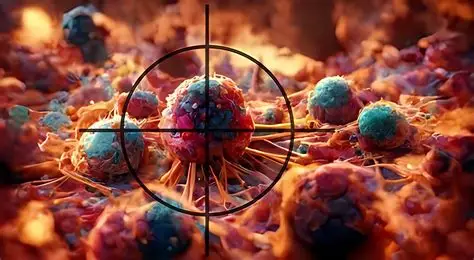
Targeted therapy is a modern form of cancer treatment that works by identifying and attacking specific molecules, genes, or pathways involved in the growth and spread of cancer cells. Unlike conventional treatments, targeted therapy focuses on cancer cells more precisely, reducing harm to normal tissues.
At Suryoday Cancer Centre, targeted therapy is delivered using evidence-based oncology protocols and advanced diagnostic techniques.
At Suryoday Cancer Centre, targeted therapy is delivered using evidence-based oncology protocols and advanced diagnostic techniques. Our multidisciplinary oncology team carefully evaluates each patient to ensure personalized treatment, improved outcomes, and better quality of life.
-
Preparation
Before starting targeted therapy, patients undergo detailed diagnostic testing including molecular profiling, imaging studies, and blood tests to identify suitable targets. The oncology team reviews medical history and explains treatment goals, expected benefits, and possible side effects.

-
How therapy is given
Targeted therapy is administered either orally or intravenously, depending on the type of medication and cancer being treated. Treatment is given in planned cycles and closely monitored to ensure effectiveness while minimizing side effects.
-
After care
After targeted therapy, patients are regularly monitored to assess treatment response and manage side effects. Follow-up visits, supportive care, and periodic evaluations help ensure continued effectiveness and long-term disease control.
Chemotherapy is a commonly used cancer treatment that offers significant benefits, along with certain risks and limitations that patients should be aware of.
Targeted therapy allows precise treatment of cancer cells while reducing damage to healthy tissues. It may improve treatment effectiveness, reduce side effects, and enhance quality of life in selected patients.
Possible side effects of targeted therapy include skin reactions, fatigue, digestive symptoms, or changes in blood pressure. Side effects vary depending on the specific drug and are usually manageable with medical supervision.
Targeted therapy is effective only when specific cancer targets are present. Not all patients or cancer types are suitable for this treatment, and resistance may develop over time in some cases