

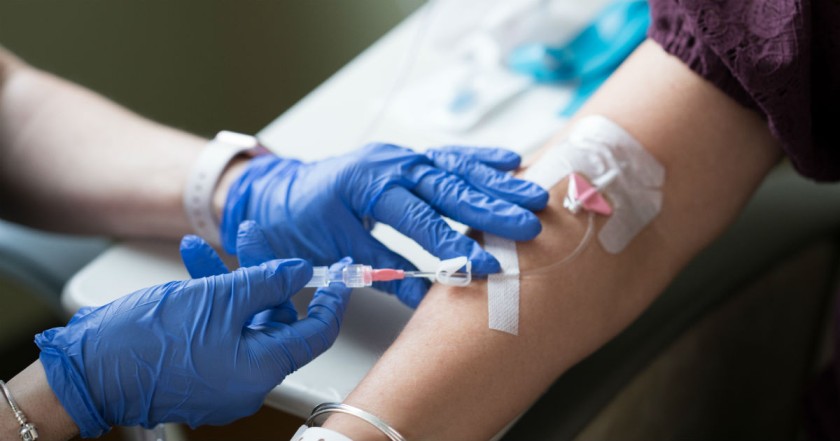
Chemotherapy is a cancer treatment that uses powerful medicines to destroy cancer cells or stop their growth. It may be used alone or in combination with surgery, radiation therapy, or other advanced cancer treatments.
Chemotherapy is a widely used cancer treatment that involves the use of anti-cancer drugs to destroy cancer cells, prevent their multiplication, or slow disease progression. It may be administered orally, intravenously, or through other methods depending on the type and stage of cancer.
At Suryoday Cancer Centre, chemotherapy is delivered using evidence-based protocols and personalized treatment plans. Our multidisciplinary oncology team carefully monitors each patient to manage side effects, ensure safety, and improve treatment outcomes while maintaining quality of life.
-
Preparation before chemotherapy
Before starting chemotherapy, our oncology team conducts a thorough evaluation including blood tests, imaging, and assessment of overall health. Your medical history, current medications, and treatment goals are carefully reviewed. Patients may receive counselling regarding treatment expectations, possible side effects, and supportive care measures.
-
How chemotherapy is given
Chemotherapy is administered using carefully planned treatment cycles. Depending on the type of cancer, it may be given intravenously, orally, or through other approved methods. Treatment is delivered under close medical supervision to ensure safety, effectiveness, and comfort throughout the session.

-
After chemotherapy care
After chemotherapy, patients are monitored for side effects and recovery. Supportive care, medications, dietary guidance, and regular follow-up visits help manage symptoms and assess treatment response. Our team ensures continuous support to maintain strength, immunity, and quality of life.

Chemotherapy is a commonly used cancer treatment that offers significant benefits, along with certain risks and limitations that patients should be aware of.
Chemotherapy helps destroy cancer cells, shrink tumors, and slow or stop disease progression. It can be used alone or combined with surgery, radiation therapy, or other advanced treatments to improve outcomes and relieve cancer-related symptoms.
Chemotherapy may cause side effects such as fatigue, nausea, hair loss, lowered immunity, or digestive discomfort. The type and severity of side effects vary among individuals and are closely monitored by the oncology team.
Chemotherapy may not be suitable for all patients or all cancer types. Its effectiveness can vary depending on the stage of disease and overall health of the patient, and multiple treatment cycles may be required.